In 2026, a number of prominent developers such as Danh Khoi, Novaland, Van Phuc, Nam Sao Group, Eras Land, Khai Hoan Land, etc., have already announced their plans. Most of these plans involve restarting projects and launching sales, from that creating opportunities for promising projects nearing completion in Vietnam Real Estate.

Contents
As Vietnam’s real estate market gradually stabilizes after a prolonged period of legal bottlenecks and capital tightening, 2026 is emerging as a critical re-entry year for southern developers. A growing number of major real estate groups as Danh Khôi, Novaland, Vạn Phúc Group, Five Star Group, Eras Land, and Khải Hoàn Land have announced plans to relaunch stalled projects and resume sales, with most launches expected from Q2/2026 onward.
Rather than introducing entirely new developments, the dominant strategy among developers is to revive previously suspended projects after legal clearance, restructuring, or M&A. This reflects a more cautious but structurally healthier phase of Vietnam real estate market recovery, signaling improving confidence while avoiding speculative oversupply.

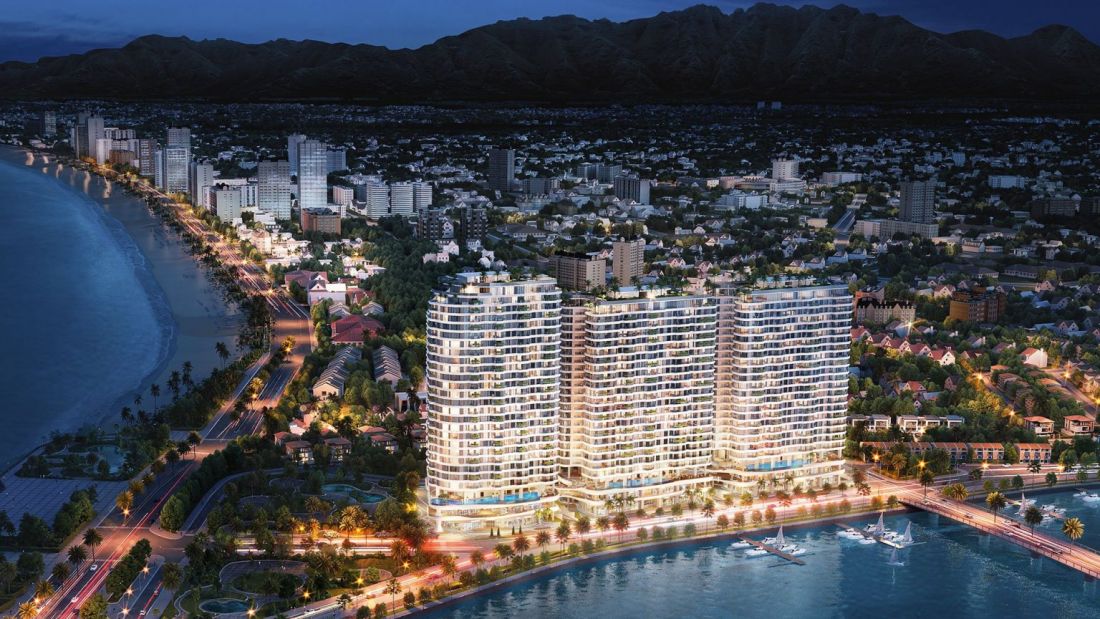
NetLand, a member of Danh Khôi Group, recently confirmed plans to relaunch approximately four projects in 2026. The first is Welltone Luxury Residence on Tran Phu Street, Nha Trang – formerly known as Crystal Marina Bay. Regulatory violations related to capital mobilization and incomplete legal approvals halted the project. According to NetLand, the company is currently completing final licensing procedures and plans to restart the project in Q2/2026.
In Binh Duong, Danh Khôi plans to relaunch the Dat Nam project, where it acquired around 1,000 products from Dai Nam Group in 2023. Notably, the developer is shifting away from subdivided land sales toward townhouses and villas, reflecting changing buyer preferences and tighter regulations on land subdivision. Meanwhile, two previously stalled projects – Aria Vung Tau Hotel & Resort and Barya Citi are expected to be revived in 2026.
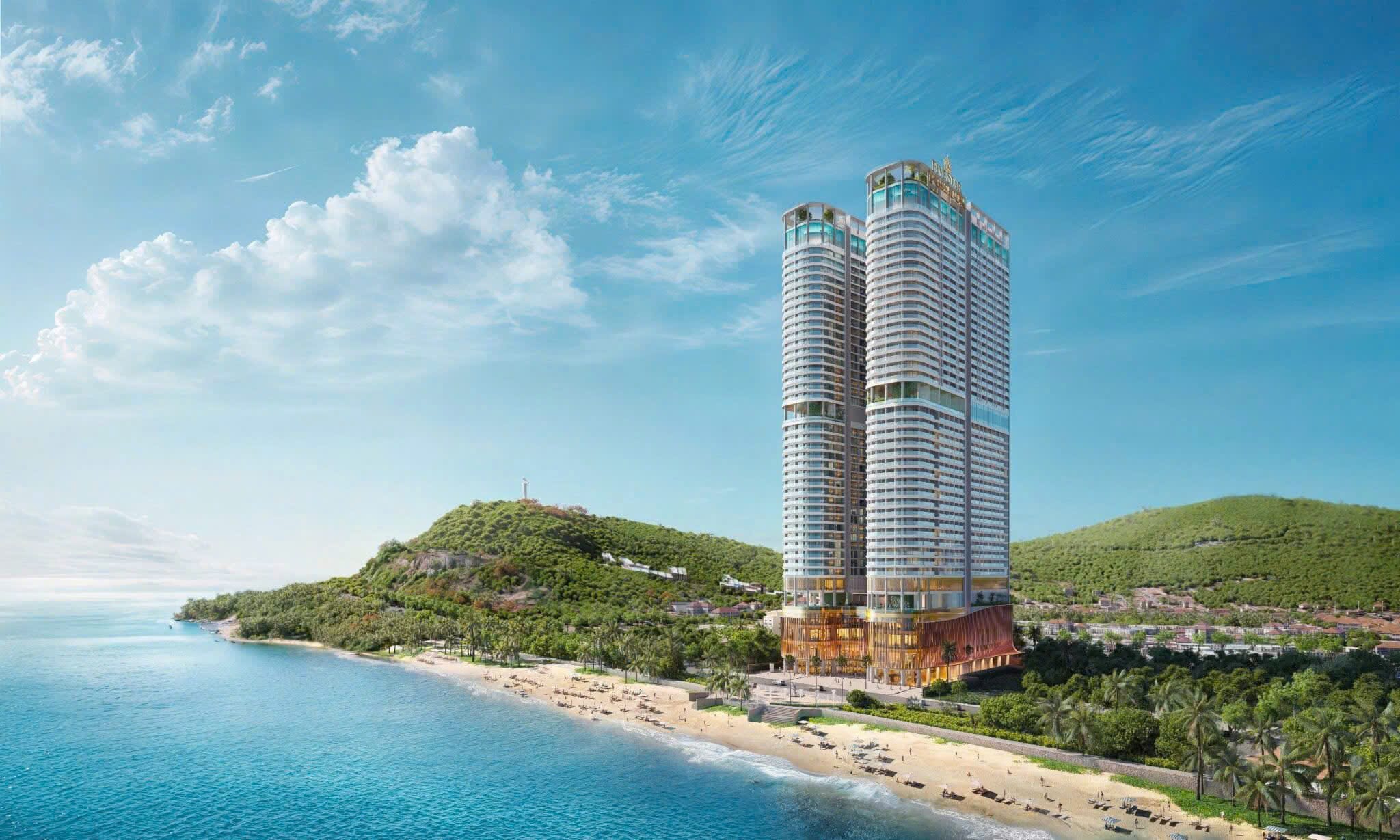
Five Star Group is preparing to launch two high-rise developments in Vung Tau in Q1–Q2/2026. The Five Star Odyssey and Five Star Poseidon projects each feature over 40 floors, more than 1,000 high-end apartments, five-star hotels, and combined investment capital of approximately VND 10 trillion (USD 400+ million).
By Q3/2026, Five Star plans to introduce additional projects in Tay Ninh and Nam Dinh after a prolonged suspension period demonstrating a phased expansion strategy tied closely to capital recovery and market absorption.
Novaland has identified 2026 as the year to restart Aqua City (1,000 ha, Dong Nai) following legal resolution after its suspension in 2023. The group also plans to continue construction and handover at NovaWorld Phan Thiet, NovaWorld Ho Tram, and multiple HCMC projects – most of which are legacy developments rather than new land acquisitions.

This approach underscores a broader industry trend: stabilization before expansion, prioritizing cash flow recovery and balance sheet repair over aggressive growth.
Van Phuc Group plans to launch the Diamond Sky condominium (approx. 200 units) in Van Phuc City (198 ha) in Q1/2026.

Meanwhile, Eras Land will resume development of Costamigo (Lam Dong). Its adding a 700-unit condotel component after completing townhouses in earlier phases.
The other developer, Khải Hoàn Land, plans to launch a new project in Thuận An in Q2/2026. Its following M&A deals completed in early 2025.
Industry experts broadly agree that 2026 will be characterized by the return of “frozen” projects rather than speculative expansion. Gotec Land, for instance, is preparing to relaunch Shizen Home in HCMC after its inclusion in the government’s legal support program in 2023, pending land-use fee reassessment.
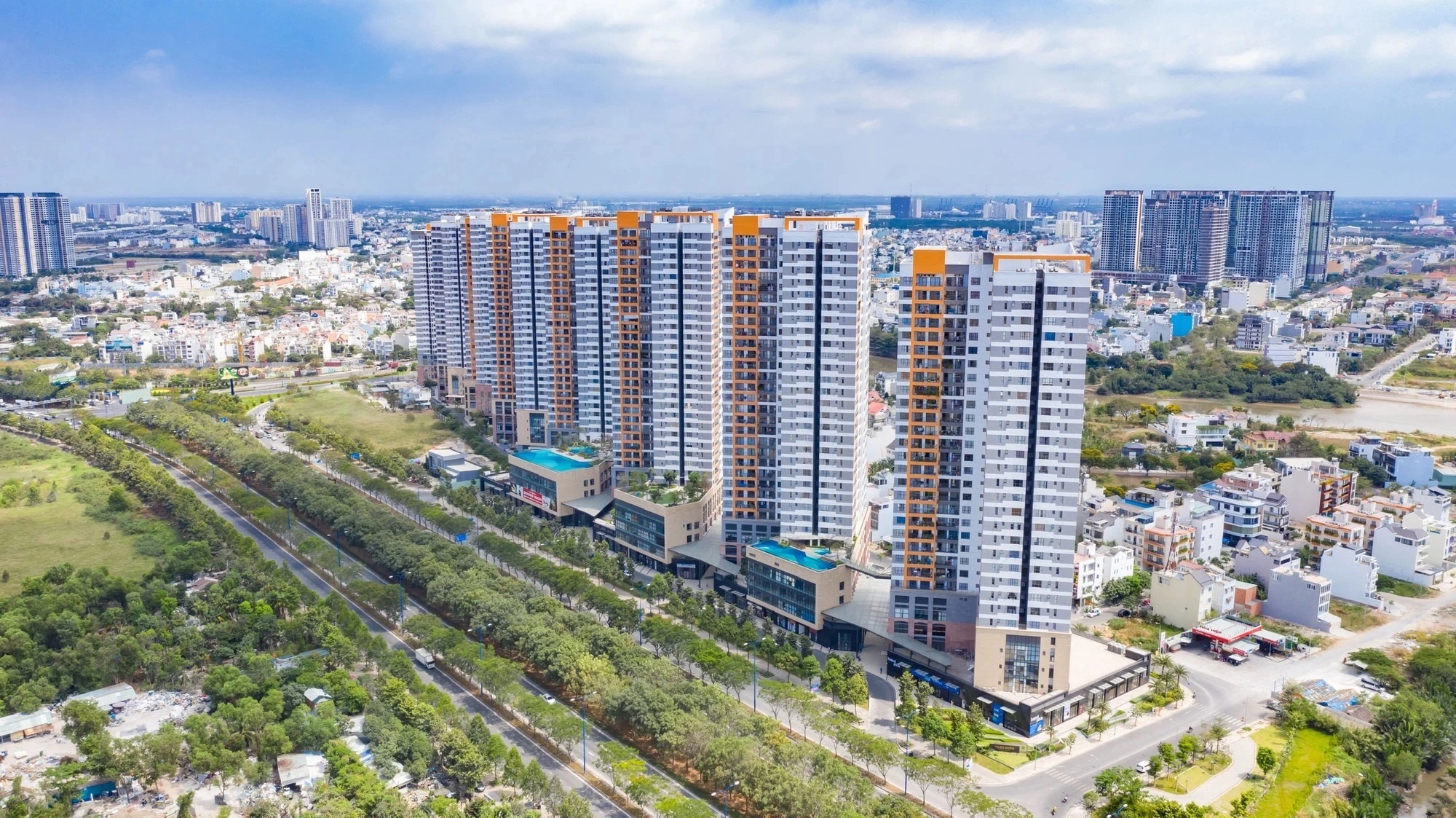
According to Tran Anh Group’s leadership, while segments such as land plots and resort Vietnam real estate may remain challenging, apartments, social housing, townhouses, and villas are expected to dominate supply due to real demand and regulatory alignment.
Eras Land’s CEO Nguyễn Hương notes that while central HCMC real estate prices may continue rising in 2026, growth will likely remain within a 5–10% range, aligning with macroeconomic growth and inflation. Under Vietnam’s Real Estate Business Law, price increases exceeding 20% may trigger state intervention – acting as a stabilizing mechanism against overheating.
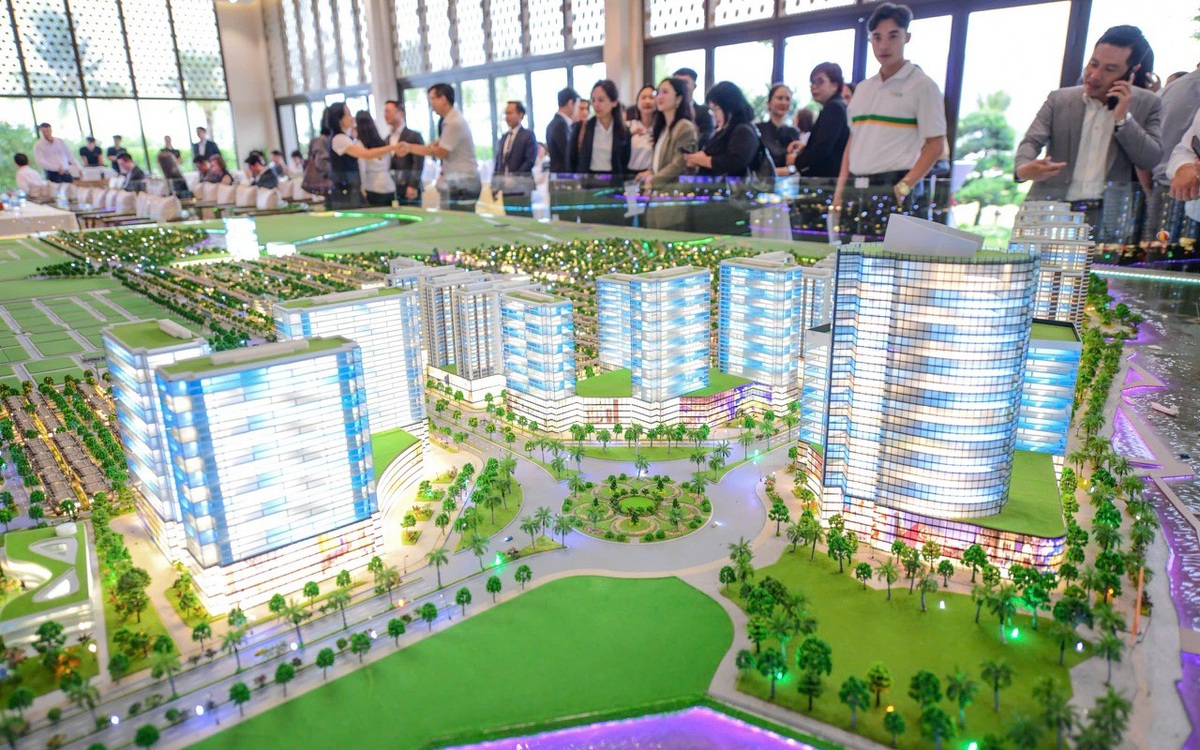
For investors, the 2026 Vietnam real estate market signals a shift from speculative cycles toward legally de-risked, execution-driven opportunities. Projects relaunching after long suspensions often benefit from clearer legal frameworks, revised pricing strategies, and stronger alignment with end-user demand.
Rather than chasing early-stage speculation, investors may find more sustainable returns by focusing on:
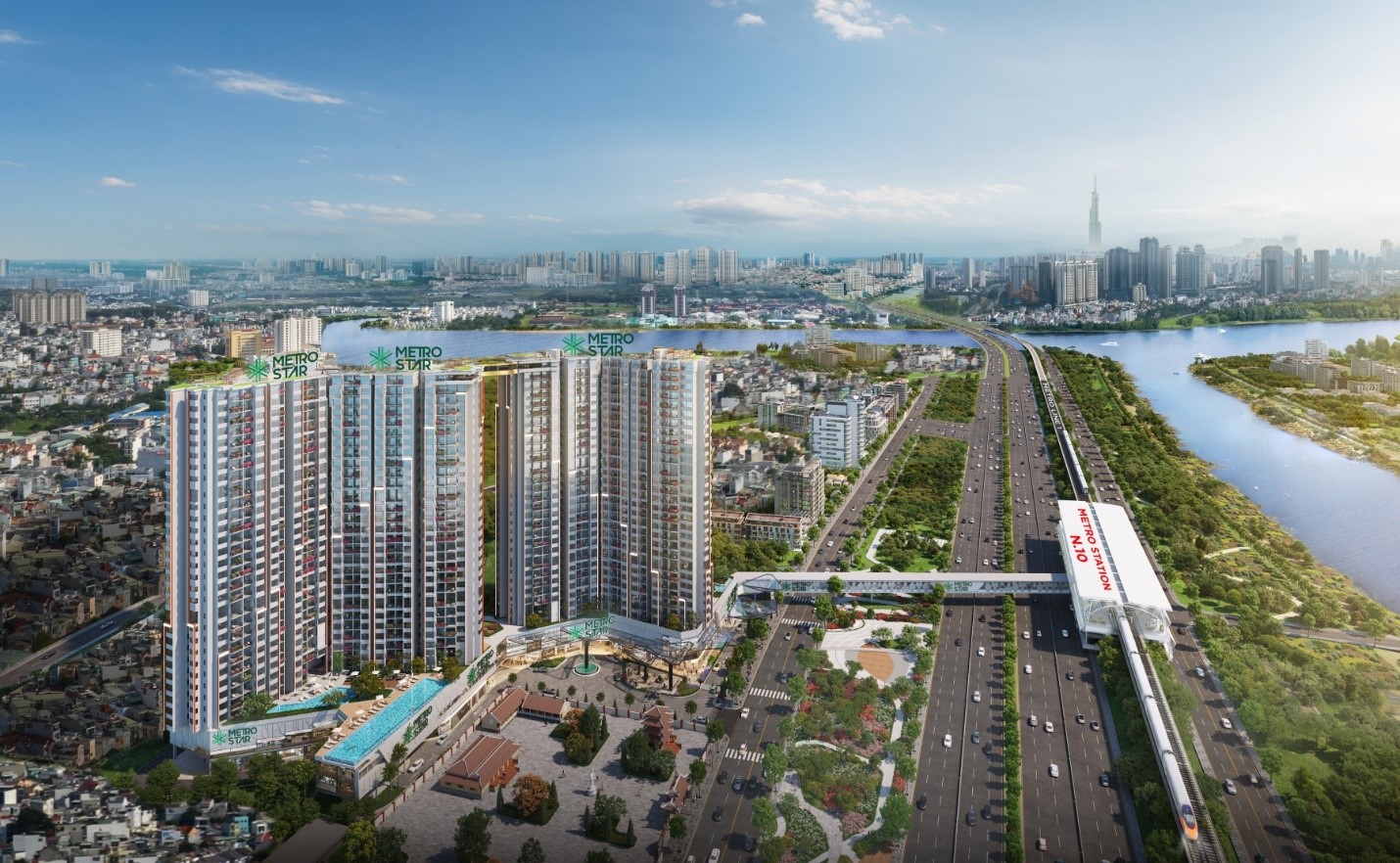
As Vietnam’s regulatory environment matures, 2026 may mark a transition year from recovery to selective growth, setting the stage for a more disciplined and transparent real estate market in the years ahead.
With a mission to support international investors in Vietnam, La Quinta provides full market insights, forecasts, and legal updates to help investors make informed, effective decisions in this fast-growing market.
More potential real estate in Ho Chi Minh City