Property Legal Status Vietnam 2026 A Verification Guide for Foreign Buyers
Share
Vietnam’s property market is opening wider for foreign investors — but verifying property legal status Vietnam 2026 remains the leading challenge that causes transactions to fail or lead to disputes. For buyers who are not based in Vietnam, the difficulty is not just understanding the rules but confirming compliance from a distance, before any agreement is signed. This guide covers the four legal layers every foreign buyer must check and the three practical principles for completing a purchase remotely.
1. Property Legal Status Vietnam 2026: Which Properties Can Foreign Investors Actually Own?
Before evaluating any asset in Vietnam, foreign investors must understand a foundational rule shaping the property legal status Vietnam 2026:
According to the Housing Law 2023, foreigners can only purchase residential properties from two sources:
Directly from the project developer within the approved apartment quota allocated for foreign buyers (30% per project).
Re-purchased from another foreign organization or individual who legally owns property in Vietnam.
Ownership limits to strictly note:
Apartment Cap: A maximum of 30% of total apartments in a single condominium project.
Landed House Cap: A maximum of 250 separate houses within an administrative ward-level unit.
Tenure: An ownership term of 50 years from the date the certificate is issued, with a one-time extension option not exceeding an additional 50 years.
Foreigners cannot own land outright; they can only own housing within permitted residential projects. Not every apartment is eligible for sale to foreigners, and not every unit within the same project falls under the foreign quota. Verifying both the broader project approvals and the specific apartment status remains step zero of any purchase transaction.
2. Four Legal Layers to Check Before Signing Any Agreement
Many real estate transactions by foreigners in Vietnam fail because they miss one of the following four legal checks. Each layer represents an independent risk that cannot compensate for another.
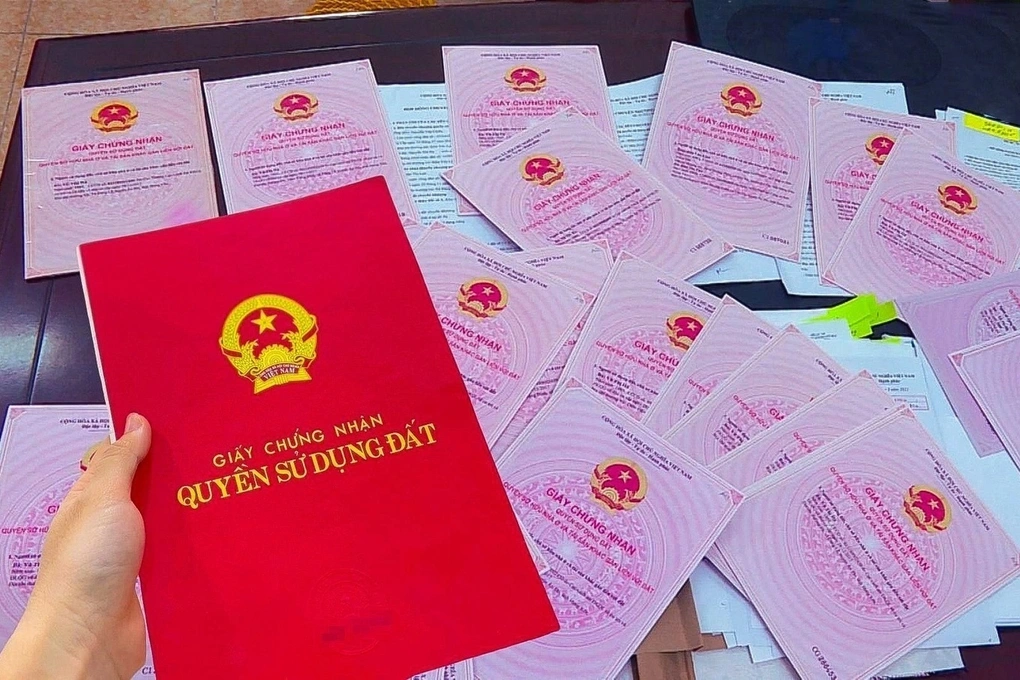
Layer 1. Planning Check: Is the property subject to land acquisition planning? This information can be checked directly on the Land Use Rights Certificate or at the local Land Registration Office. Common mistake: failing to self-verify planning changes that the seller does not disclose.
Layer 2. Ownership Verification: The certificate must be in the correct name of the seller. If there are multiple co-owners, all must sign the transfer contract. Common mistake: checking only the primary owner’s name without checking for other co-owners; a contract missing a co-owner’s signature can be declared void (LHB Law Firm, 2025).
Layer 3. Asset Legal Status: The property must not be under dispute, seized, or mortgaged without being released. Common mistake: not requesting a written confirmation from the bank regarding the mortgage status; situations occur where a mortgage is released on paper but remains active in reality.
Layer 4. Foreign Quota for a Specific Unit: Do not just check if the project is allowed to sell to foreigners; you must confirm the specific unit remains within the 30% quota. If the quota has been capped, competent authorities will refuse to issue the Certificate despite a signed contract and full payment.
Starting March 1, 2026, Decree 357 mandates a 40-character electronic property identification code. This new tool allows online lookups of asset legal status from anywhere. (Land Law Updates 2026).
3. How Do Remote Investors Verify Legal Status?
Buying property in Vietnam without living here is entirely feasible, but it requires more thorough preparation compared to domestic investors. Here are the three most practical principles for remote investors navigating a purchase in Vietnam:
Principle 1. When the Owner’s Presence is Required: Most foreign investors still need to be present in Vietnam at least once during the transaction process, usually to sign the notarized sales contract and receive original documents from the developer. This is not an inconvenience but a practical legal requirement. Some developers only work directly with the owner and do not accept any representatives to sign original documents on their behalf. Planning for this trip from the start will avoid time pressure later on.
Principle 2. Power of Attorney is Only a Supporting Tool: A Power of Attorney (POA) allows the authorized person to handle files, submit and receive documents, and work with the developer on behalf of the owner. This is a useful tool to manage administrative procedures while the owner is away from Vietnam. However, please note: the power of attorney contract must be notarized at the Vietnamese Embassy in the host country and then accepted and notarized in Vietnam to have full legal effect.
Principle 3. Retain All Transaction Documents: Original documents from the developer, sales and transfer contracts, payment receipts, and confirmation emails must all be kept carefully. This is the most crucial legal protection for remote investors in case of future disputes. Original copies always hold higher legal value than photocopies, especially in procedures involving state authorities.
Regarding legal consulting: for complex transactions or when disputes arise, seeking additional advice from an independent lawyer is worth considering.
Conclusion
The HCMC market offers a genuine range of options for foreign buyers in Thao Dien, Thu Thiem, and the city center. But clean legal status is not a default condition; it is the result of deliberate verification. The four-layer checklist and three remote buying principles outlined above are not optional steps. They are the foundation of every secure property transaction in Vietnam regardless of how straightforward the deal appears on the surface.
Looking for a trustworthy real estate agent? La Quinta is your one-stop partner. We offer turnkey support for buying/selling, renting, interior design & furnishing, and full property management. Contact us today.
Mr. DONNIE KIM(Korean & English) Associate Director