Bức tranh kinh tế toàn cầu năm 2026 đang trải qua những biến động chưa từng có, chủ yếu xuất phát từ căng thẳng địa chính trị leo thang tại Trung Đông. Khi giá năng lượng toàn cầu tăng mạnh do tình trạng gián đoạn chuỗi cung ứng tại eo biển Hormuz, một hiệu ứng domino nghiêm trọng đã lan rộng trên toàn thế giới.
Tại Việt Nam, làn sóng tác động này đã đẩy lạm phát lên mức 4,5%, buộc các ngân hàng thương mại phải siết chặt hạn mức tín dụng và nâng lãi suất vay bất động sản lên đến 14%.
Contents
Tình hình địa chính trị tại các khu vực cung ứng dầu mỏ trọng yếu trên thế giới thời gian gần đây đang trở nên cực kỳ bất ổn. Cuộc chiến Nga – Ukraine đã bước sang năm thứ năm, trong khi căng thẳng nghiêm trọng tại Trung Đông (liên quan đến Iran, Mỹ và các quốc gia đồng minh) đã dẫn đến việc phong tỏa một phần eo biển Hormuz — tuyến vận chuyển dầu khí quan trọng bậc nhất của thế giới.
Khoảng 20% nguồn cung dầu toàn cầu đi qua khu vực này, vì vậy bất kỳ sự gián đoạn nào cũng có thể gây ra cú sốc lớn đối với thị trường năng lượng quốc tế. (unctad.org)
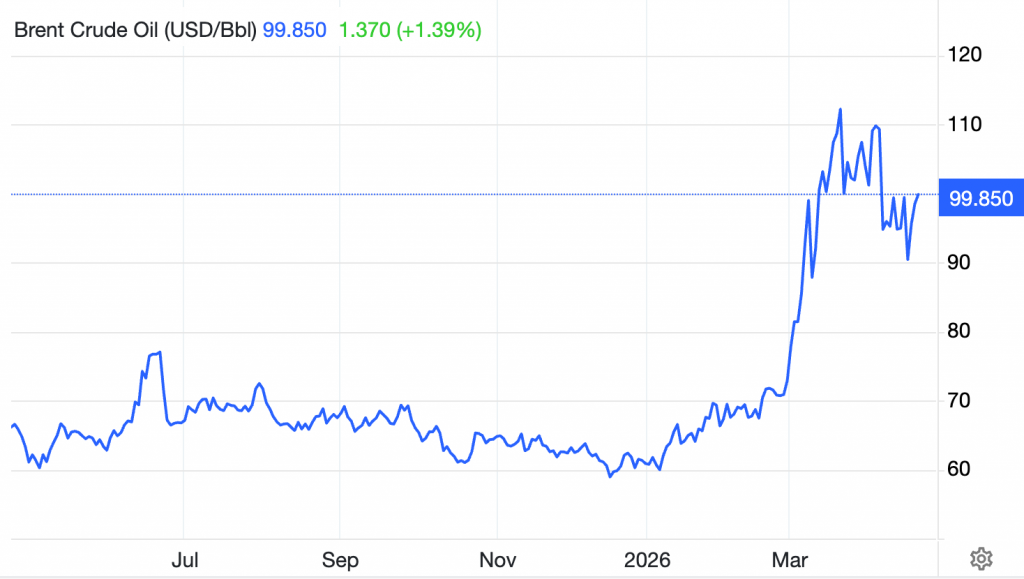
Giá năng lượng đang biến động mạnh trên toàn cầu. Theo dữ liệu từ Trading Economics, giá dầu trung bình hiện đang dao động quanh mức 100 USD/thùng, tăng hơn 50% so với giai đoạn trước xung đột (khi giá chỉ khoảng 65,7 USD/thùng).
Chi phí năng lượng gia tăng đã khiến chi phí logistics leo thang mạnh mẽ, kéo theo tình trạng tắc nghẽn chuỗi cung ứng toàn cầu một lần nữa trở nên nghiêm trọng. Điều này đã đẩy giá nguyên vật liệu và hàng hóa đầu vào lên một mặt bằng giá mới.
Tác động kinh tế
Sự gia tăng mạnh của giá dầu đã tạo ra hiệu ứng domino trên nhiều nền kinh tế toàn cầu, bao gồm cả Việt Nam. Tại Việt Nam, giá nhiên liệu tăng cao đã ảnh hưởng đáng kể đến nhiều lĩnh vực, từ sản xuất, vận tải cho đến thị trường tài chính.
Giá hàng hóa nhanh chóng tăng theo giá nhiên liệu, tạo ra áp lực lạm phát ngày càng lớn. Chỉ số giá tiêu dùng (CPI) tăng mạnh đã đẩy lạm phát lên cao, làm suy giảm đáng kể giá trị đồng tiền khi người dân phải chi tiêu nhiều hơn cho các nhu cầu tiêu dùng hàng ngày.
Dữ liệu thống kê và chính sách tiền tệ
Theo General Statistics Office of Vietnam, chỉ số giá tiêu dùng (CPI) của Việt Nam trong tháng 3 năm 2026 đã tăng 1,23% so với tháng trước và tăng 4,5% so với cùng kỳ năm ngoái.
Lạm phát leo thang do CPI tăng mạnh đã buộc Ngân hàng Trung ương phải điều chỉnh lại các chính sách tiền tệ. Các ngân hàng thương mại cũng phải siết chặt chính sách cho vay và tăng lãi suất nhằm bù đắp cho sự suy giảm giá trị của đồng tiền.
Để đối phó với mức lạm phát 4,5%, các ngân hàng thương mại buộc phải siết chặt chính sách cho vay. Bước sang quý I/2026, dòng vốn đổ vào các kênh tài sản bắt đầu bị kiểm soát nghiêm ngặt hơn thông qua việc thu hẹp “room” tín dụng.
Đi kèm với đó là việc điều chỉnh tăng lãi suất vay. Theo khảo sát thực tế thị trường và dữ liệu từ CafeF, lãi suất vay bất động sản tại nhiều ngân hàng (đặc biệt là lãi suất thả nổi sau thời gian ưu đãi) đã bị đẩy lên mức 9% – 14%/năm nhằm bù đắp cho sự mất giá của đồng tiền.
Chi phí vốn đắt đỏ đã tạo ra một “bộ lọc” khắc nghiệt cho thị trường, loại bỏ những nhà đầu tư lạm dụng đòn bẩy tài chính và khiến tâm lý chung chuyển sang trạng thái phòng thủ.
Vì sao bất động sản là lựa chọn an toàn trong thời điểm này?
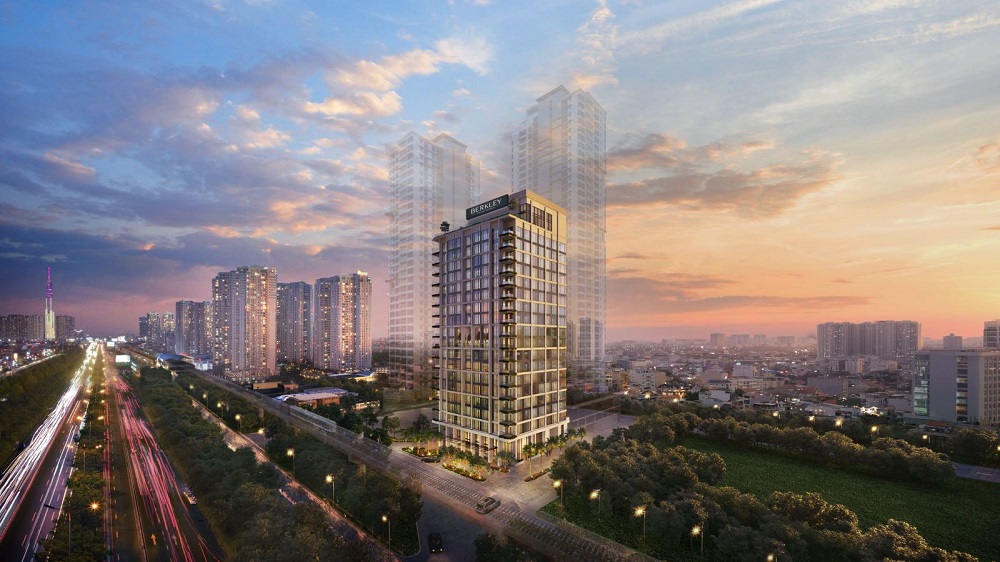
Lịch sử đã chứng minh rằng trong mỗi cuộc khủng hoảng năng lượng và giai đoạn lạm phát, những người nắm giữ tài sản hữu hình có khả năng tạo ra dòng tiền luôn là những người trụ vững đến cuối cùng và hưởng lợi nhiều nhất khi một chu kỳ kinh tế mới bắt đầu. Tại Ho Chi Minh City, bất động sản khu vực trung tâm không chỉ đơn thuần là nơi để ở mà còn được xem như một “bảo hiểm tài chính” cao cấp cho tương lai.
Bạn đang tìm kiếm một đơn vị môi giới đáng tin cậy? La Quinta chính là đối tác đồng hành toàn diện dành cho bạn với dịch vụ trọn gói từ mua bán, cho thuê, thiết kế & thi công nội thất đến quản lý vận hành bất động sản chuyên nghiệp. Liên hệ với La Quinta ngay hôm nay!

Mr. DONNIE KIM (Korean & English)
Phó Giám đốc
SĐT: +84 898 48 38 68
Email: kdh@lqltd.com
Zalo: 08 98 48 38 68 (La Quinta)
Kakaotalk ID : kdhrpm
WeChat: LQ-kdh
Whatsapp: +84 89 848 38 68

Ms. TRẦN HOÀNG OANH (Tiếng Việt & English)
Giám đốc Bộ phận Nhà ở và Đầu tư.
SĐT: (+84) 937 836 896
Zalo: 09 3783 6896 (Oanh – Christine)
Whatsapp: +84 937 83 896
Wechat: Oanhhoangtran