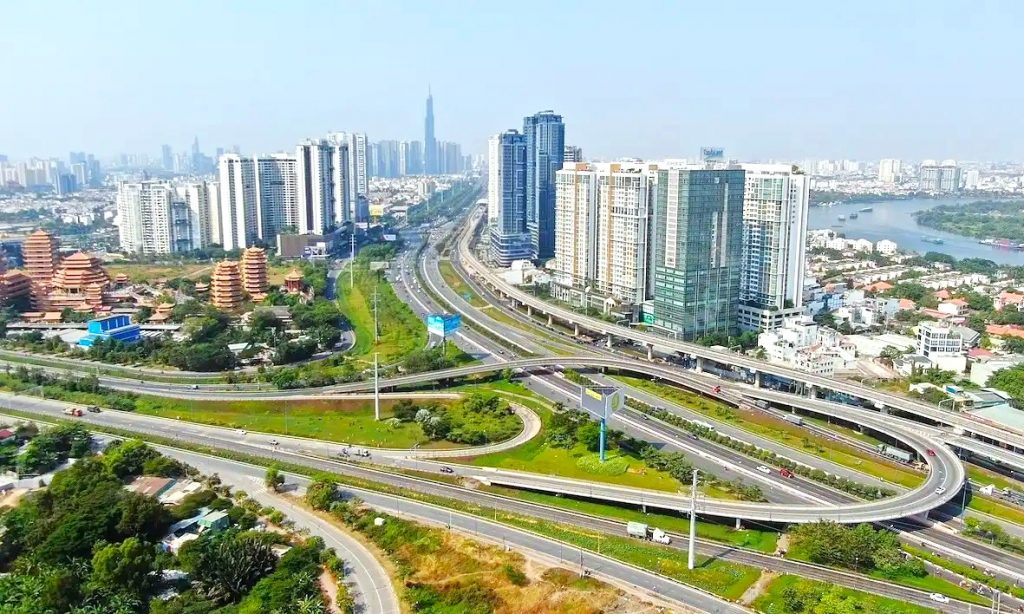
Ngày 15/01/2026, TP. Hồ Chí Minh đồng loạt khởi công 4 dự án hạ tầng quy mô lớn với tổng mức đầu tư gần 240.000 tỷ đồng, bao gồm Cầu Phú Mỹ 2, Cầu Cần Giờ, Tuyến Metro số 2 (Bến Thành – Tham Lương) và Khu Liên Hợp Thể Thao Quốc Gia Rạch Chiếc.
Đây là đợt khởi công hạ tầng lớn nhất của thành phố trong nhiều năm qua, cho thấy sự chuyển hướng rõ rệt sang việc đẩy nhanh kết nối đô thị. Các dự án này mở rộng các hành lang phát triển về phía Đông, Đông Nam và Tây Bắc, đồng thời đặt nền tảng quan trọng cho tăng trưởng kinh tế và bất động sản dài hạn.
Contents
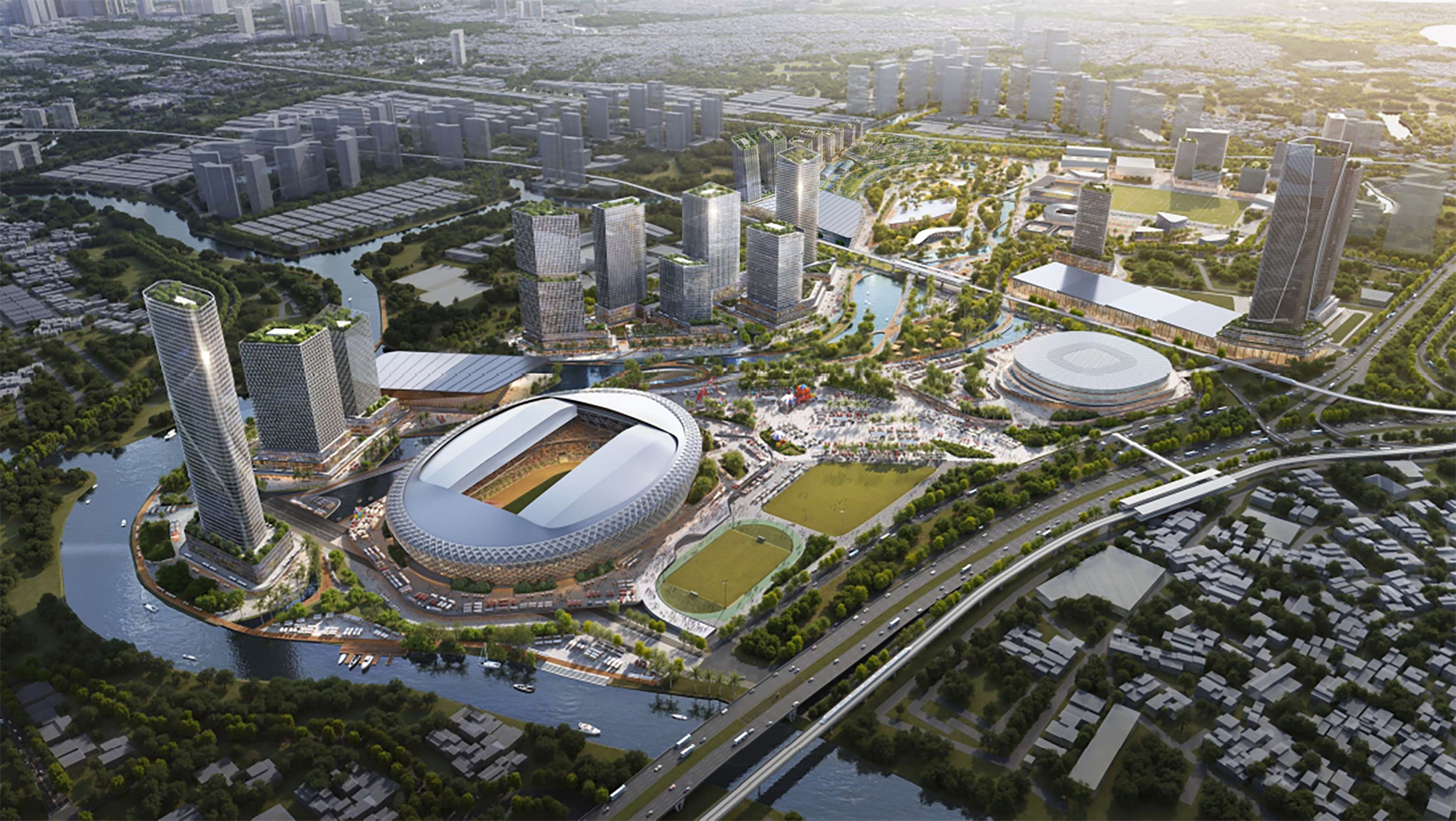
Khu Liên Hợp Thể Thao Quốc Gia Rạch Chiếc là dự án có quy mô lớn nhất trong bốn dự án, với tổng vốn đầu tư gần 146.000 tỷ đồng và diện tích quy hoạch hơn 186 ha. Tâm điểm của dự án là sân vận động 70.000 chỗ ngồi, được trang bị mái che và hệ thống điều hòa – kiểm soát khí hậu hiện đại, đưa công trình này trở thành một trong những tổ hợp thể thao tiên tiến hàng đầu Đông Nam Á.
Ở tầm quốc tế, sân vận động Rạch Chiếc sở hữu quy mô và công nghệ vượt trội so với nhiều sân vận động có mái che khác trong khu vực, như sân Kai Tak (Hồng Kông) với 50.000 chỗ ngồi hay Sân vận động Quốc gia Singapore với 55.000 chỗ. So với các sân vận động ngoài trời, công trình này cũng tiệm cận những biểu tượng toàn cầu như sân Wembley (London) với 90.000 chỗ ngồi – “thánh địa” của bóng đá Anh, hay sân vận động “Tổ Chim” (Bắc Kinh) với quy mô khoảng 80.000 chỗ ngồi.

Từ góc độ phát triển đô thị, dự án này vượt xa phạm vi của một công trình thể thao đơn thuần. Những tổ hợp quy mô lớn như vậy thường đóng vai trò là “điểm neo” đô thị mới, thúc đẩy sự hình thành và phát triển của các khu phức hợp đa chức năng, cụm dân cư, dịch vụ lưu trú – du lịch và các khu thương mại xung quanh. Đối với nhà đầu tư, Rạch Chiếc được xem là động lực dài hạn, có khả năng từng bước nâng cao giá trị đất đai và tái định hình diện mạo phát triển của khu Đông TP. Hồ Chí Minh.
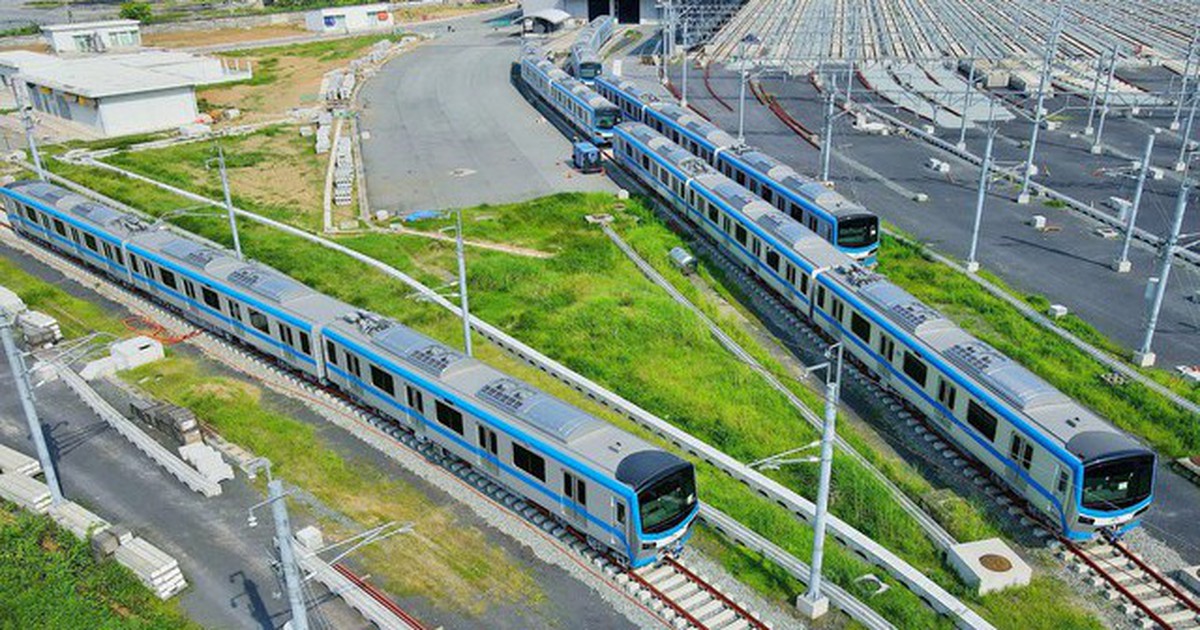
Sáng ngày 15/01, Tuyến Metro số 2 (Bến Thành – Tham Lương) chính thức được khởi công với tổng mức đầu tư hơn 55.000 tỷ đồng, đánh dấu một bước tiến quan trọng trong quá trình hiện đại hóa hạ tầng của TP. Hồ Chí Minh. Tuyến metro có chiều dài khoảng 11,3 km, phần lớn đi ngầm, kết nối khu trung tâm lịch sử với các quận phía Tây Bắc — khu vực từ lâu chịu áp lực ùn tắc giao thông và thiếu các lựa chọn vận tải công cộng hiệu quả.

Tuyến metro này sẽ góp phần giảm đáng kể áp lực giao thông, đồng thời nâng cao khả năng tiếp cận giữa các khu vực đô thị trọng điểm. Quan trọng hơn, tuyến được kết nối đồng bộ với các tuyến metro hiện hữu và tương lai, hình thành một mạng lưới giao thông công cộng hoàn chỉnh. Thực tế cho thấy, việc mở rộng hệ thống vận tải công cộng luôn là động lực mạnh mẽ cho phát triển đô thị theo định hướng giao thông (TOD), tạo ra các điểm nóng mới về nhà ở và thương mại dọc theo các hành lang metro.
Ngoài ra, tuyến metro này sẽ kết nối đồng bộ tại ga trung tâm Bến Thành với các tuyến metro số 1, số 4, tuyến Bến Thành – Thủ Thiêm và Bến Thành – Cần Giờ; đồng thời trong tương lai sẽ liên thông với các tuyến metro số 5 và số 6. Tuyến cũng sẽ kết nối với tuyến metro Thủ Thiêm – Long Thành, hình thành một hành lang đường sắt đô thị liên hoàn.
Cũng trong sáng ngày 15/01, Ủy ban Nhân dân TP.HCM đã chính thức tổ chức lễ khởi công dự án Cầu Cần Giờ. Dự án có tổng mức đầu tư hơn 13.000 tỷ đồng, thay thế phà Bình Khánh hiện hữu và thiết lập tuyến kết nối đường bộ trực tiếp giữa huyện Nhà Bè và huyện Cần Giờ.
Masterise Group là nhà đầu tư dự án Cầu Cần Giờ theo hình thức đối tác công – tư (PPP), cụ thể là hợp đồng BT (xây dựng – chuyển giao). Dự kiến được triển khai xây dựng trong giai đoạn 2026–2029, cây cầu được kỳ vọng sẽ tạo ra sự thay đổi mang tính nền tảng về khả năng tiếp cận các khu vực ven biển phía Nam của TP.HCM.
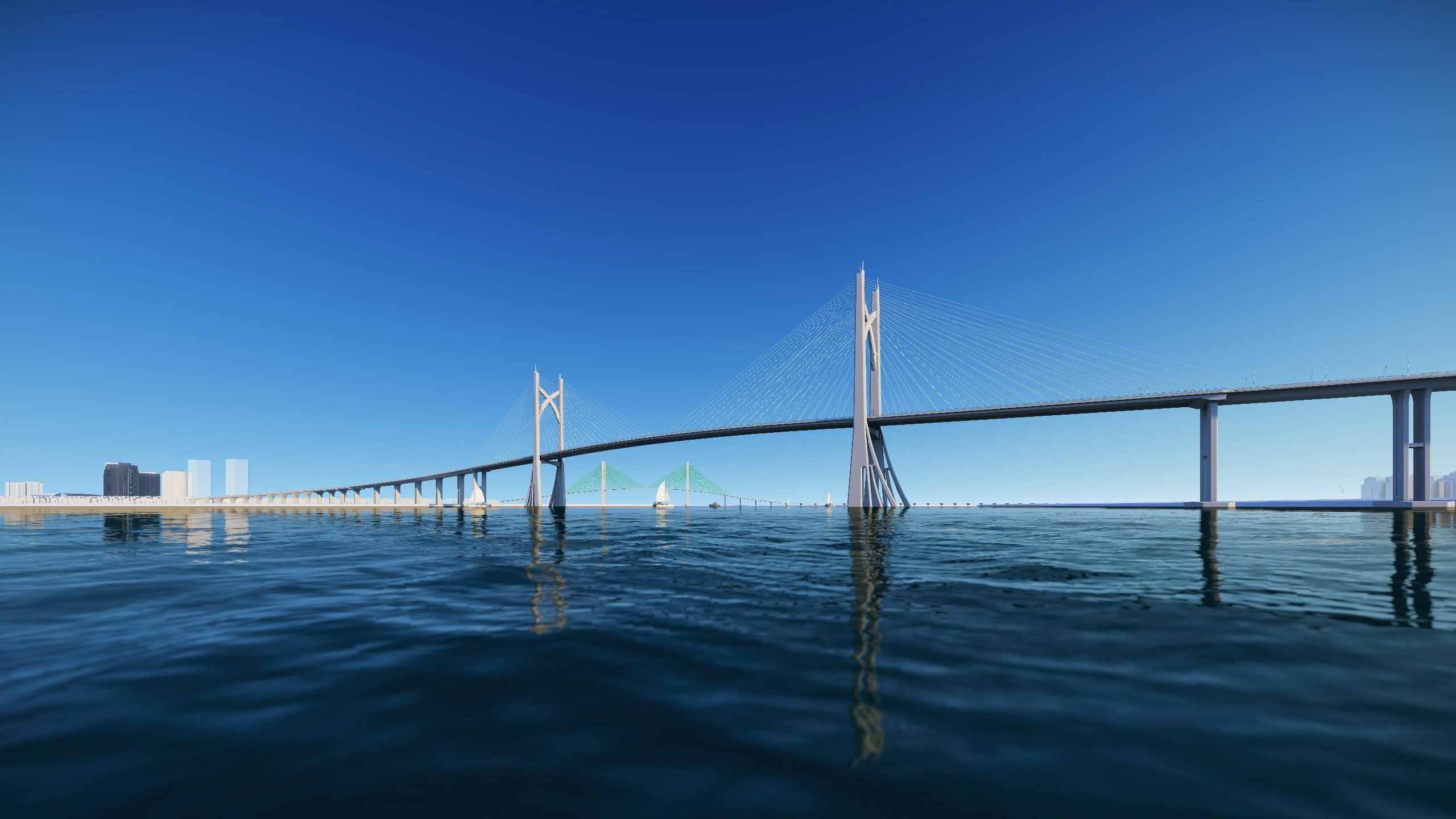
Về mặt chiến lược, dự án này mở ra tiềm năng phát triển mới cho du lịch sinh thái, đô thị ven biển và các hoạt động kinh tế gắn với biển. Đối với nhà đầu tư, Cầu Cần Giờ được xem là một khoản đầu tư hạ tầng mang tầm nhìn dài hạn, trong đó các dự án ở giai đoạn sớm có thể hưởng lợi từ khả năng kết nối được cải thiện, đồng thời phù hợp với định hướng phát triển bền vững và bảo tồn môi trường.
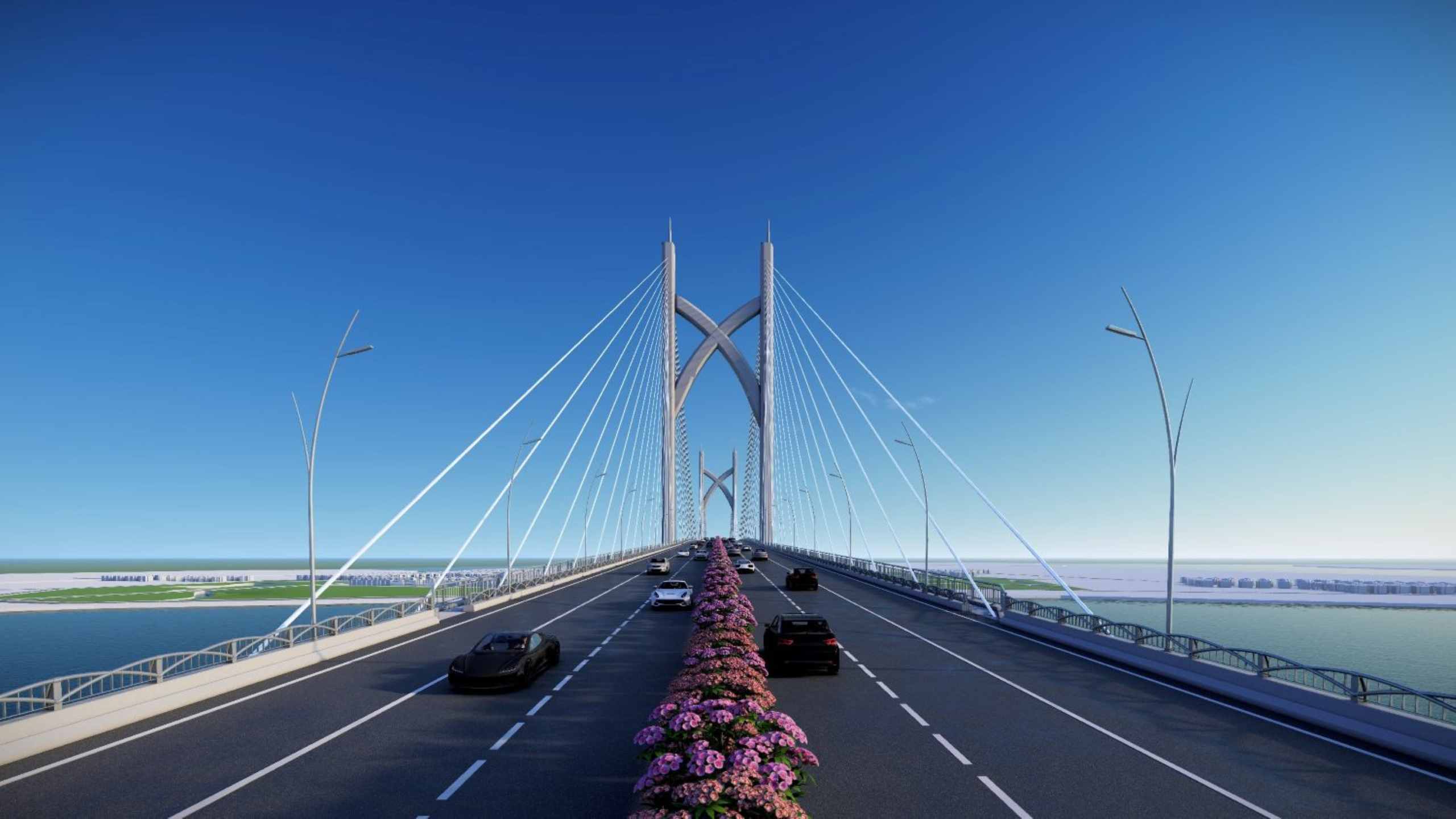
Cầu Phú Mỹ 2, dự án thứ tư trong số các công trình tại TP.HCM được khởi công vào ngày 15/01, có tổng mức đầu tư khoảng 23.185 tỷ đồng và được triển khai theo hình thức đối tác công – tư (PPP). Dự án có tổng chiều dài khoảng 6,3 km, bao gồm cầu và các tuyến đường dẫn, trong đó đoạn đi qua TP.HCM dài khoảng 4,6 km và đoạn thuộc tỉnh Đồng Nai dài khoảng 1,7 km.
Dự án được xây dựng với 8 làn xe, bao gồm 6 làn ô tô và 2 làn hỗn hợp; các tuyến đường dẫn hai đầu cầu cũng sẽ được đầu tư đồng bộ với tối thiểu 8 làn xe, bảo đảm hệ thống hạ tầng kỹ thuật hoàn chỉnh. Cây cầu mới dự kiến được triển khai và hoàn thành trong giai đoạn 2026 – 2029.

Ở góc độ rộng hơn, dự án này củng cố vai trò của TP. Hồ Chí Minh như trung tâm đầu mối của Vùng Kinh tế Trọng điểm phía Nam. Việc cải thiện khả năng kết nối liên vùng là yếu tố then chốt thúc đẩy mở rộng sản xuất công nghiệp, dịch chuyển lực lượng lao động và tạo nền tảng cho nhu cầu bất động sản dài hạn tại các đô thị vệ tinh xung quanh.
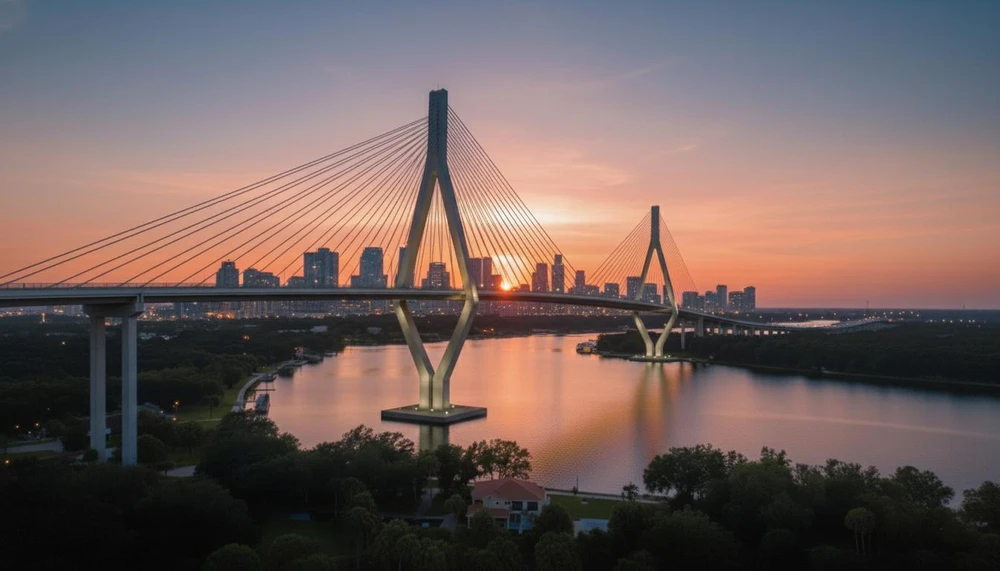
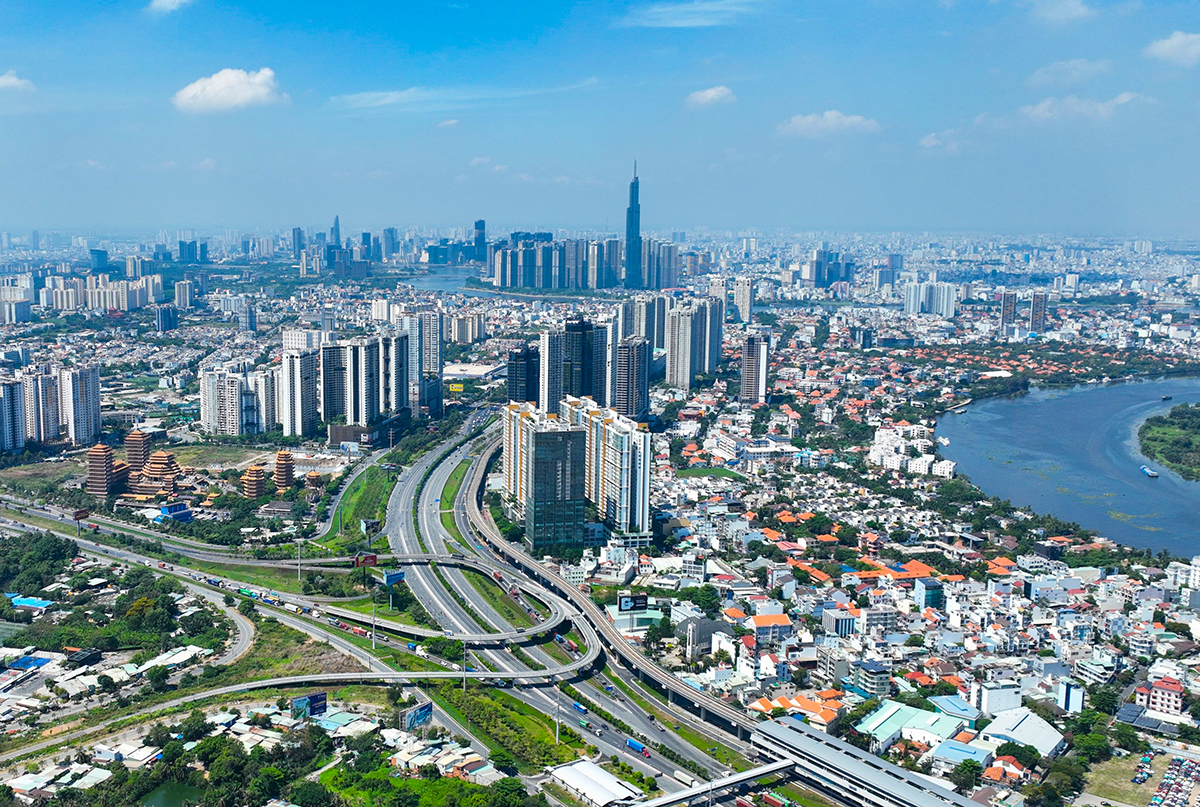
Phát triển hạ tầng của TP. Hồ Chí Minh hiện nay không chỉ dừng lại ở việc giải quyết các điểm nghẽn giao thông. Thay vào đó, hạ tầng ngày càng đóng vai trò là nền tảng cho một chu kỳ thị trường mới, nhấn mạnh vào liên kết vùng, mở rộng đô thị theo mô hình đa trung tâm và tăng trưởng bền vững.

Khi TP. Hồ Chí Minh hướng tới trở thành một vùng đô thị siêu lớn với dân số vượt 14 triệu người, hạ tầng cần đóng vai trò dẫn dắt phát triển thay vì đi theo sau. Việc đồng loạt triển khai bốn dự án trọng điểm này cho thấy định hướng chính sách rõ ràng: sử dụng đầu tư hạ tầng để mở ra các hành lang tăng trưởng mới, thu hút nguồn vốn tư nhân và nâng cao năng lực cạnh tranh của thành phố trong khu vực Đông Nam Á.
Đối với các nhà đầu tư, việc đẩy nhanh phát triển hạ tầng tại TP. Hồ Chí Minh vừa mở ra nhiều cơ hội, vừa đặt ra những cân nhắc mang tính chiến lược. Thay vì chỉ tập trung vào biến động giá trong ngắn hạn, nhà đầu tư nên đánh giá cách các dự án này tái định hình cấu trúc đô thị, mô hình kết nối và động lực sử dụng đất trong vòng một thập kỷ tới.
Việc theo dõi sát các khu vực chịu tác động từ mở rộng hệ thống metro, các cây cầu liên vùng và những “điểm neo” đô thị mới sẽ mang tính then chốt. Thành công trong dài hạn nhiều khả năng sẽ thuộc về những nhà đầu tư đi theo định hướng tăng trưởng dẫn dắt bởi hạ tầng, ưu tiên khả năng kết nối và tính nhất quán trong quy hoạch – đặc biệt tại khu vực CBD, Khu đô thị mới Thủ Thiêm, khu vực Cần Giờ… – đồng thời chấp nhận một tầm nhìn đầu tư kiên nhẫn tại thị trường đô thị năng động bậc nhất Việt Nam.
Với sứ mệnh hỗ trợ các nhà đầu tư quốc tế tại Việt Nam, La Quinta cung cấp đầy đủ thông tin thị trường, dự báo và cập nhật pháp lý, giúp nhà đầu tư đưa ra các quyết định thông minh và hiệu quả trong thị trường phát triển nhanh này.
Tiềm năng bất động sản lớn hơn tại khu vực Thủ Thiêm – TP. Hồ Chí Minh